My review of the new book Damming the Flood: Haiti, Aristide and the Politics of Containment (Verso) by Peter Hallward has just been published on my blog and can be read here.
Sunday, March 16, 2008

Final notes on Patrick Elie
For several years now, from time to time I have come across the repeating of a libelous statement that a Haitian political operator named Patrick Elie made about me in the pages of two fringe publications, Michael Albert’s Znet and the former Haiti Progres, which was then edited by the American Kim Ives, before the latter departed to form Haiti Liberté amid charges of nepotism and financial irregularities.
As Mr. Elie, a violent and erratic individual with a history of perjury and other unsavoury activities [1], is such a marginal figure in Haiti's political landscape (despite his desperate courting of foreign journalists) and as Haiti has such genuinely serious problems facing it, save for two paragraphs in an article I wrote in 2006, I thought it best to just to let the matter lie. However, these years later, at the urging of some friends who continue to be concerned about the words of someone as nefarious as Mr. Elie taking root, I will take a moment here to respond in detail as I have not before.
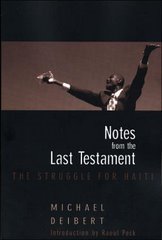
On December 3, 2002, the first anniversary of the murder of the journalist Brignol Lindor, I attended a mass at Petionville's Église Saint Pierre in his honor and the honor of all the other journalists who had died, been attacked or been forced into exile, including Jean Léopold Dominique, the director of Radio Haiti Inter slain in April 2000. At the receiption that morning were Radio Metropole owner Richard Widmayer, Radio Kiskeya programme director Lilianne Pierre-Paul, U.S. Ambassador Brian Dean Curran, then-Haitian Senate President (and future convinced drug trafficker) Fourel Celestin, Radio Haiti Inter's director (and Dominique widow) Michèle Montas and Patrick Elie himself. I briefly alluded to the presence of all of the above in my 2005 book Notes from the Last Testament: The Struggle for Haiti. On that day, I addressed Mr. Elie - whom I had met several times previously - by name and in English on the steps of the Église Saint Pierre.
In a 2006 article on my book, a Canadian writer named Justin Podur, who had visited Haiti only once and spoke no Kreyol, made the use of an expletive-laden diatribe by Mr. Elie to claim that I had falsely stated that Mr. Elie was at Haiti’s Cathedral National that day when he was not.
Simply put, this was a lie.
Mr. Podur, perhaps understandably given his unfamiliarity with Haiti, had confused the Église Saint Pierre with Haiti's National Cathedral, several miles downtown, claiming that was where I had place Mr. Elie, even though my text clearly and repeatedly specified the Église Saint Pierre. Faced with their error, neither Mr. Podur nor Mr. Elie nor Mr. Albert nor Mr. Ives retreated from their libelous claim, perhaps not surprising given their respective characters and the ease with which Mr. Elie, in far graver matters, had previously veered from the truth.
Though I have not wanted to bother her by bringing her into such trivialities, writing to Michele Montas about the incident in question, she responded simply, in a February 17, 2006 email as follows:
I don’t really remember if Patrick was on the steps but he must have been at the Eglise Saint Pierre that day.
Ms. Montas never went public about the incident, nor did I ever ask her to. However, Mr. Elie still trying to pass himself off as anything but the dangerous prevaricator that he is simply won't do, I'm afraid.
Had I enough money, I might indeed have considered hauling Messrs. Podur, Elie, Albert and Ives to court [these people generally attack those without the means to fight back] but, then again, if I had that kind of money it would not doubt be better spent investing in something that actually improves the lives of Haitians, such as the micro-credit institutions FONKOZE, rather than settling scores with dilettantes and political opportunists who discredited themselves long ago.
Attempting to smear someone’s reputation when they threaten powerful forces - in this case former Haitian president Jean-Bertrand Aristide and his lavishly-funded propaganda machine in the United States - is a very standard trick, one which Mr. Aristide used himself against opponents as diverse as former Port-au-Prince mayor Evans Paul and peasant leader Chavannes Jean-Baptiste. I have watched the endless attacks against journalists whom I much admire in countries where I work such as Haiti and Guatemala and, quite honestly, in an odd way, I feel somewhat honored to be considered important enough to be in their company.
By using Mr. Elie - a man with a documented record for rather creepy and potentially lethal plotting - to attack me, people like Justin Podur, Michael Albert and Kim Ives no doubt believed that they would succeed in intimidating into silence my voice in the debate on the fate of Haiti and it’s long-suffering 9 million people.
In this, as in engaging in a meaningful debate on issues such as how we restore Haiti’s peasant agriculture, fix its school system and provide it with a responsive political culture, they failed.
But, anyway, for the record, there it is, the brief and rather boring story. I think that's about all the mention it deserves going forward.
1. Mr. Elie was arrested outside of Washington, DC in April 1996 and jailed in the United States for, among other offences, apparently threatening the life of Haiti's ambassador to the United States at the time, Jean Casimir. Subsequently convicted for falsely claiming to be a diplomat and for using a false address on a federal firearms transaction, court documents (from the US Court of Appeals for the Fourth Circuit) show that US diplomatic security and police inventoried from Mr. Elie's hotel room at the time of his arrest a Colt .223 semi- automatic assault rifle with a round in the chamber and six magazines loaded with armour-piercing ammunition, a Remington .22 calibre bolt action rifle equipped with a telescopic sight, a loaded Steyr 9mm semi-automatic pistol with 264 9mm rounds (including 180 rounds of hollow-point ammunition), night vision equipment, two knives, approximately $4,800 in cash, purchase receipts for three additional firearms and documents relating to the activities of Mr. Casimir. Mr. Elie's connections among Haiti's elite economic and political class saved him on that occasion, but one cannot help but to speculate as to what exactly was being planned.
As Mr. Elie, a violent and erratic individual with a history of perjury and other unsavoury activities [1], is such a marginal figure in Haiti's political landscape (despite his desperate courting of foreign journalists) and as Haiti has such genuinely serious problems facing it, save for two paragraphs in an article I wrote in 2006, I thought it best to just to let the matter lie. However, these years later, at the urging of some friends who continue to be concerned about the words of someone as nefarious as Mr. Elie taking root, I will take a moment here to respond in detail as I have not before.
On December 3, 2002, the first anniversary of the murder of the journalist Brignol Lindor, I attended a mass at Petionville's Église Saint Pierre in his honor and the honor of all the other journalists who had died, been attacked or been forced into exile, including Jean Léopold Dominique, the director of Radio Haiti Inter slain in April 2000. At the receiption that morning were Radio Metropole owner Richard Widmayer, Radio Kiskeya programme director Lilianne Pierre-Paul, U.S. Ambassador Brian Dean Curran, then-Haitian Senate President (and future convinced drug trafficker) Fourel Celestin, Radio Haiti Inter's director (and Dominique widow) Michèle Montas and Patrick Elie himself. I briefly alluded to the presence of all of the above in my 2005 book Notes from the Last Testament: The Struggle for Haiti. On that day, I addressed Mr. Elie - whom I had met several times previously - by name and in English on the steps of the Église Saint Pierre.
In a 2006 article on my book, a Canadian writer named Justin Podur, who had visited Haiti only once and spoke no Kreyol, made the use of an expletive-laden diatribe by Mr. Elie to claim that I had falsely stated that Mr. Elie was at Haiti’s Cathedral National that day when he was not.
Simply put, this was a lie.
Mr. Podur, perhaps understandably given his unfamiliarity with Haiti, had confused the Église Saint Pierre with Haiti's National Cathedral, several miles downtown, claiming that was where I had place Mr. Elie, even though my text clearly and repeatedly specified the Église Saint Pierre. Faced with their error, neither Mr. Podur nor Mr. Elie nor Mr. Albert nor Mr. Ives retreated from their libelous claim, perhaps not surprising given their respective characters and the ease with which Mr. Elie, in far graver matters, had previously veered from the truth.
Though I have not wanted to bother her by bringing her into such trivialities, writing to Michele Montas about the incident in question, she responded simply, in a February 17, 2006 email as follows:
I don’t really remember if Patrick was on the steps but he must have been at the Eglise Saint Pierre that day.
Ms. Montas never went public about the incident, nor did I ever ask her to. However, Mr. Elie still trying to pass himself off as anything but the dangerous prevaricator that he is simply won't do, I'm afraid.
Had I enough money, I might indeed have considered hauling Messrs. Podur, Elie, Albert and Ives to court [these people generally attack those without the means to fight back] but, then again, if I had that kind of money it would not doubt be better spent investing in something that actually improves the lives of Haitians, such as the micro-credit institutions FONKOZE, rather than settling scores with dilettantes and political opportunists who discredited themselves long ago.
Attempting to smear someone’s reputation when they threaten powerful forces - in this case former Haitian president Jean-Bertrand Aristide and his lavishly-funded propaganda machine in the United States - is a very standard trick, one which Mr. Aristide used himself against opponents as diverse as former Port-au-Prince mayor Evans Paul and peasant leader Chavannes Jean-Baptiste. I have watched the endless attacks against journalists whom I much admire in countries where I work such as Haiti and Guatemala and, quite honestly, in an odd way, I feel somewhat honored to be considered important enough to be in their company.
By using Mr. Elie - a man with a documented record for rather creepy and potentially lethal plotting - to attack me, people like Justin Podur, Michael Albert and Kim Ives no doubt believed that they would succeed in intimidating into silence my voice in the debate on the fate of Haiti and it’s long-suffering 9 million people.
In this, as in engaging in a meaningful debate on issues such as how we restore Haiti’s peasant agriculture, fix its school system and provide it with a responsive political culture, they failed.
But, anyway, for the record, there it is, the brief and rather boring story. I think that's about all the mention it deserves going forward.
1. Mr. Elie was arrested outside of Washington, DC in April 1996 and jailed in the United States for, among other offences, apparently threatening the life of Haiti's ambassador to the United States at the time, Jean Casimir. Subsequently convicted for falsely claiming to be a diplomat and for using a false address on a federal firearms transaction, court documents (from the US Court of Appeals for the Fourth Circuit) show that US diplomatic security and police inventoried from Mr. Elie's hotel room at the time of his arrest a Colt .223 semi- automatic assault rifle with a round in the chamber and six magazines loaded with armour-piercing ammunition, a Remington .22 calibre bolt action rifle equipped with a telescopic sight, a loaded Steyr 9mm semi-automatic pistol with 264 9mm rounds (including 180 rounds of hollow-point ammunition), night vision equipment, two knives, approximately $4,800 in cash, purchase receipts for three additional firearms and documents relating to the activities of Mr. Casimir. Mr. Elie's connections among Haiti's elite economic and political class saved him on that occasion, but one cannot help but to speculate as to what exactly was being planned.
Sunday, March 9, 2008
Filmmaker: Sugar family may have blocked documentary about them
Filmmaker: Sugar family may have blocked documentary about them
AP Hispanic Affairs Writer
Posted on Sat, Mar. 08, 2008
By LAURA WIDES-MUNOZAP Hispanic Affairs Writer
MIAMI --From their perch atop Florida's sugar industry, the Fanjul family wields political and cultural power from the sunny sands of Palm Beach to the corridors of Washington.
Now filmmaker Amy Serrano believes the family has used that power to block the showing of her documentary critical of their umbrella company, Flo-Sun Inc., at the Miami International Film Festival. And she says her project about the Fanjuls is not the only one to run into trouble in recent months. She points to a film Jodie Foster wanted to make about them that was scrapped and the fight the CBS TV series "Cane" faced before it was aired.
"I feel like my film has been blackballed," said Serrano of her documentary, "The Sugar Babies." It's about the plight of Haitian sugar workers in the Dominican Republic, where the Fanjul family and other companies harvest cane.
Gaston Cantens, a spokesman for the Fanjuls' West Palm Beach-based Florida Crystals Corp., called any accusation that the Fanjuls exerted undue pressure ridiculous.
Serrano's film was rejected from the festival, which runs through Sunday, days before the final lineup was announced. The rejection came despite initial support from the festival's organizers and acclaim at more than a dozen other festivals worldwide.
Serrano said she has no proof the Fanjuls were behind the decision but maintains explanations for her film's rejection and the subsequent response from another Miami festival were suspicious.
"Miami stands at the epicenter of the Dominican Republic, Haiti and Florida sugar happenings," said Serrano. She called the decision "a missed opportunity to transform injustice into consumer consciousness."
Films about other sugar families are running into direct opposition from their subjects.
The Dominican Republic's Vicini sugar family recently hired a Washington, D.C., law firm to sue the makers of another documentary, "The Price of Sugar," for defamation.
Cantens said the sugar industry is tired of one-sided portrayals of "big sugar."
"For years we kind of took it on the chin," he said of stories alleging worker mistreatment and environmental pollution. "We're tired of taking it on the chin, and we're fighting back."
The Fanjuls' political influence is no small thing. It was the Cuban-American patriarch Alfie Fanjul's telephone call that interrupted President Clinton during an indiscreet moment with Monica Lewinsky in the Oval Office. The family and its network have already given more than $300,000 so far in the 2008 election cycle to political committees and candidates from both major parties.
Serrano, a Cuban-American and Miami native, said festival officials initially gushed over her film last November. Back then, she told organizers she had already exhibited it elsewhere, including for students at Florida International University in Miami. It was a private showing but made local headlines when media showed up with the Dominican consul, who denounced the portrayal of his country.
Film festival officials originally said the FIU showing was fine, according to e-mail exchanges with Serrano. But, on Jan. 25, Serrano got another letter telling her the showing was a problem because of the media coverage, which disqualified it.
Festival director Patrick de Bokay denied the Fanjuls pressured him, saying "you have to make hard decisions, and you cannot take all the films."
Bokay said he offered to hold a special screening for "The Sugar Babies" at a later date and even hold forums to discuss the plight of sugar workers in the Dominican Republic.
That would mean much less publicity - and less controversy, Serrano said.
Days after the film festival's rejection, the Women's International Film Festival in Miami, which opens March 26, also began to backpedal on its invitation to show the film, Serrano said. Eventually the organizers offered a small theater with a forum to bring in different views on the issue.
Serrano, who has lined up a number of other festivals, plans to decline.
Foster dropped plans last year to produce and star in "Sugarland," based on a 2001 Vanity Fair expose. Robert De Niro was also reported to have signed on to the project, which would have been the actors' first reunion since "Taxi Driver." Foster was in talks with Universal at the time the project was dropped. She and De Niro declined to comment. Universal spokeswoman Stacey Ivers said the company considers many proposals that take years or are never made. She declined to comment specifically on "Sugarland."
Cantens said the Vanity Fair story, which focused on a series of lawsuits by Jamaican sugar workers, is out of date because the Fanjuls successfully appealed the cases.
"You read the Vanity Fair story, and you think, 'We can't believe these people are doing what they're doing.' But we won all the cases. There's no story," he said.
Greg Schell, an attorney who represents 1,500 of the workers, said two of the cases are going forward. A trial date for one of them is set for June in Palm Beach County small claims court.
The Fanjuls dropped their lawsuit against "Cane," a Cuban-flavored mix of "Dynasty" and "Dallas" set among South Florida's sugar fields, only after producers changed details, including morphing the family business from simply harvesting sugar to producing rum.
Cantens was unapologetic.
"We had a pretty good idea of where the series was headed. We were concerned about how close it would be aligned to the Fanjuls, and how it would depict Cubans," he said.
Associated Press Writer Jonathan M. Katz contributed to this story from Port-au-Prince, Haiti.
Saturday, March 8, 2008
Statement by RNDDH Executive Director Pierre Esperance on the Nomination of Jean Ostrick Hercule as Director of UCREF
Statement by Réseau National de Défense des Droits Humains (RNDDH) Executive Director Pierre Esperance on the Nomination of Jean Ostrick Hercule as Director of UCREF
(Read the original here)
We at RNDDH consider the nomination of Jean Ostrick Hercule to UCREF (Unité Centrale de Renseignements Financiers, or Central Financial Intelligence Unit) as proof that the Haitian government is not serious when it claims to be fighting corruption and impunity. It is also proof that their efforts to find justice in the Jean Dominique case have been nothing more than cynical political maneuvering. The nomination of Jean Ostrick Hercule is nothing less than a victory for impunity in Haiti.
Why do we believe this?
First of all, as an investigating judge, Ostrick Hercule was the magistrate in charge of the case of Jean Leopold Dominique. According to the law, when a judge is assigned a criminal case, he or she is obligated to investigate that case. However, Judge Ostrick Hercule ignored the demands of the law on this case. He sat on the case for months without undertaking any investigation whatsoever. He returned the case to his supervisor on the pretext that his security had not been assured enough for him to work on this sensitive case. In spite of this, the supervising magistrate, Judge Rock Cadet, demanded that he respect the law of the land and investigate the case. Nevertheless, Ostrick Hercule refused.
Secondly, Judge Ostrick Hercule was assigned the cases of many Lavalas leaders who had been accused of siphoning public funds. In response, he took action and froze the bank accounts of those accused. However, he did not launch any investigations in these cases. Two years later, when President Preval came into office, Judge Ostrick Hercule decided to unfreeze all of these accounts under the pretext that the case lacked merit. Despite the fact that the law requires investigations to take no longer than three months, he let two years pass before rendering a decision that was based on political calculations. Because of his actions, the state lost millions of gourds that had been stolen from it.
In addition to these specific cases, it's a fact that as a judge, Ostrick Hercule was generally negligent toward his duties, and did not investigate cases assigned to him.
In 2007, Ostrick Hercule's mandate as an investigating judge came to an end, and the Ministry of Justice recommended that the executive branch not renew his contract. The ministry's reason for this was Ostrick Hercule's disrespect for the law and the duties of his office, as well as his lack of integrity.
It's clear that Judge Ostrick Hercule is severely lacking in the credibility necessary to direct an agency such as UCREF. Lacking, that is, unless the powers that be are not truly interested in fighting corruption and impunity.
Port-au-Prince, le 4 mars 2008
(Read the original here)
We at RNDDH consider the nomination of Jean Ostrick Hercule to UCREF (Unité Centrale de Renseignements Financiers, or Central Financial Intelligence Unit) as proof that the Haitian government is not serious when it claims to be fighting corruption and impunity. It is also proof that their efforts to find justice in the Jean Dominique case have been nothing more than cynical political maneuvering. The nomination of Jean Ostrick Hercule is nothing less than a victory for impunity in Haiti.
Why do we believe this?
First of all, as an investigating judge, Ostrick Hercule was the magistrate in charge of the case of Jean Leopold Dominique. According to the law, when a judge is assigned a criminal case, he or she is obligated to investigate that case. However, Judge Ostrick Hercule ignored the demands of the law on this case. He sat on the case for months without undertaking any investigation whatsoever. He returned the case to his supervisor on the pretext that his security had not been assured enough for him to work on this sensitive case. In spite of this, the supervising magistrate, Judge Rock Cadet, demanded that he respect the law of the land and investigate the case. Nevertheless, Ostrick Hercule refused.
Secondly, Judge Ostrick Hercule was assigned the cases of many Lavalas leaders who had been accused of siphoning public funds. In response, he took action and froze the bank accounts of those accused. However, he did not launch any investigations in these cases. Two years later, when President Preval came into office, Judge Ostrick Hercule decided to unfreeze all of these accounts under the pretext that the case lacked merit. Despite the fact that the law requires investigations to take no longer than three months, he let two years pass before rendering a decision that was based on political calculations. Because of his actions, the state lost millions of gourds that had been stolen from it.
In addition to these specific cases, it's a fact that as a judge, Ostrick Hercule was generally negligent toward his duties, and did not investigate cases assigned to him.
In 2007, Ostrick Hercule's mandate as an investigating judge came to an end, and the Ministry of Justice recommended that the executive branch not renew his contract. The ministry's reason for this was Ostrick Hercule's disrespect for the law and the duties of his office, as well as his lack of integrity.
It's clear that Judge Ostrick Hercule is severely lacking in the credibility necessary to direct an agency such as UCREF. Lacking, that is, unless the powers that be are not truly interested in fighting corruption and impunity.
Port-au-Prince, le 4 mars 2008
Tuesday, February 26, 2008
Décès d’Emmanuel "Manno" Sanon, star éternelle du football haïtien
Décès d’Emmanuel "Manno" Sanon, star éternelle du football haïtien
Un cancer du pancréas a eu raison du légendaire mondialiste de 1974 parti à 56 ans
jeudi 21 février 2008,
Radio Kiskeya
(Read the original article here)
Le mythique footballeur haïtien Emmanuel Sanon, surnommé affectueusement "Manno", est décédé jeudi matin à l’âge de 56 ans d’un cancer du pancréas dans sa résidence à Orlando, en Floride, a appris Radio Kiskeya.
En phase terminale depuis quelque temps après avoir suivi sans succès de longues séances de chimiothérapie et radiothérapie, le disparu avait perdu ces derniers jours l’usage de la parole avant de plonger dans le coma. Il s’est éteint au milieu de ses proches dont son épouse Suzie Sanon et leurs quatre enfants, trois filles et un garçon.
La date et le lieu des funérailles doivent être annoncés ultérieurement.
Véritable icône du ballon rond dans son pays et ancien sélectionneur national, Sanon était entré dans l’histoire le 15 juin 1974 en Allemagne. Ce jour-là, il mit fin à l’invicibilité de Dino Zoff, lors du match de poule Italie vs Haïti (3-1), à l’occasion de l’unique participation d’Haïti à une phase finale de Coupe du monde. Recevant parfaitement une passe géniale de plus de 40 mètres de son compère Philippe Vorbe, le très dangereux avant-centre s’engouffra dans la défense transalpine, élimina son garde du corps Spinosi puis enchaîna crochets et feintes de corps allant de la gauche vers la droite pour se débarrasser du célèbre gardien de la Squadra Azzurra qui venait d’aligner une série impressionnante de 19 matches consécutifs sans concéder le moindre but.
Haïti concéda la défaite face aux doubles champions du monde italiens, mais ce but retentissant fit le tour de la planète et fut classé à la fin du XXe siècle parmi les 100 plus beaux de l’histoire de la Coupe du monde.
Pendant quatre ans, il fut l’auteur de 47 des 106 réalisations de la sélection nationale.
L’expérience allemande qui se solda par une élimination dès le premier tour (trois défaites contre l’Italie 3-1, l’Argentine 4-1 et la Pologne 7-0) mit tout de même le baume au cœur des haïtiens fiers de voir leur pays entrer dans le club fermé des seize meilleures nations du football. Portée en triomphe par tout un peuple qui fredonnait l’hymne populaire "Toup Pou Yo", l’équipe haïtienne avait en 1973 conquis à Port-au-Prince le titre de championne de la CONCACAF en devançant ses principaux rivaux de l’Amérique du Nord, de l’Amérique centrale et de la Caraïbe.
Considéré comme le plus grand attaquant haïtien de tous les temps, "Manno" Sanon fut à cette époque l’idole de la jeunesse et déchaîna les passions partout avec d’autres gloires du onze national comme Philippe Vorbe, Jean-Claude Désir dit "Tom Pouce" ou encore Pierre Bayonne et Guy Saint-Vil.
Né le 25 juin 1951 à Port-au-Prince dans une modeste famille originaire de la province, ce footballeur de légende fut remarquable tant par ses accélérations fulgurantes que par sa technique et son incroyable habileté de chasseur de buts. Après s’être révélé dans le championnat interscolaire aux lycées Anténor Firmin et de Pétion-Ville, il gravit rapidement les échelons pour devenir la superstar du Don Bosco de Pétion-Ville avant de connaître une brillante carrière au Beerschot d’Anvers. Premier joueur haïtien à évoluer dans le football professionnel européen, avec le club anversois, il remporta notamment la coupe de Belgique au cours de la saison 1979-80 en décrochant la distinction de meilleur joueur (MVP).
Sa merveilleuse expérience au Beerschot devait durer cinq saisons, de 74-75 à 79-80.
Le champion, qui joua contre le "Roi" Pelé et évolua dans les plus grands stades du monde, était revenu en Haïti en 1997 après 23 ans d’absence. Durant son séjour de deux ans, il dirigea la sélection nationale qu’il abandonna toutefois au bout de quelques mois à cause de résultats en dents de scie et d’une gestion calamiteuse des instances dirigeantes du football.
En dépit de la gravité de sa maladie, il se trouvait l’année dernière parmi les anciennes gloires de 1974 qui étaient revenues à Port-au-Prince à l’invitation du Président René Préval.
"Manno" Sanon rejoint dans l’au-delà deux autres acteurs de l’épopée de 1974, Arsène Auguste surnommé "Ti Pelao" et Fritz "Fito" Léandre.
Un cancer du pancréas a eu raison du légendaire mondialiste de 1974 parti à 56 ans
jeudi 21 février 2008,
Radio Kiskeya
(Read the original article here)
Le mythique footballeur haïtien Emmanuel Sanon, surnommé affectueusement "Manno", est décédé jeudi matin à l’âge de 56 ans d’un cancer du pancréas dans sa résidence à Orlando, en Floride, a appris Radio Kiskeya.
En phase terminale depuis quelque temps après avoir suivi sans succès de longues séances de chimiothérapie et radiothérapie, le disparu avait perdu ces derniers jours l’usage de la parole avant de plonger dans le coma. Il s’est éteint au milieu de ses proches dont son épouse Suzie Sanon et leurs quatre enfants, trois filles et un garçon.
La date et le lieu des funérailles doivent être annoncés ultérieurement.
Véritable icône du ballon rond dans son pays et ancien sélectionneur national, Sanon était entré dans l’histoire le 15 juin 1974 en Allemagne. Ce jour-là, il mit fin à l’invicibilité de Dino Zoff, lors du match de poule Italie vs Haïti (3-1), à l’occasion de l’unique participation d’Haïti à une phase finale de Coupe du monde. Recevant parfaitement une passe géniale de plus de 40 mètres de son compère Philippe Vorbe, le très dangereux avant-centre s’engouffra dans la défense transalpine, élimina son garde du corps Spinosi puis enchaîna crochets et feintes de corps allant de la gauche vers la droite pour se débarrasser du célèbre gardien de la Squadra Azzurra qui venait d’aligner une série impressionnante de 19 matches consécutifs sans concéder le moindre but.
Haïti concéda la défaite face aux doubles champions du monde italiens, mais ce but retentissant fit le tour de la planète et fut classé à la fin du XXe siècle parmi les 100 plus beaux de l’histoire de la Coupe du monde.
Pendant quatre ans, il fut l’auteur de 47 des 106 réalisations de la sélection nationale.
L’expérience allemande qui se solda par une élimination dès le premier tour (trois défaites contre l’Italie 3-1, l’Argentine 4-1 et la Pologne 7-0) mit tout de même le baume au cœur des haïtiens fiers de voir leur pays entrer dans le club fermé des seize meilleures nations du football. Portée en triomphe par tout un peuple qui fredonnait l’hymne populaire "Toup Pou Yo", l’équipe haïtienne avait en 1973 conquis à Port-au-Prince le titre de championne de la CONCACAF en devançant ses principaux rivaux de l’Amérique du Nord, de l’Amérique centrale et de la Caraïbe.
Considéré comme le plus grand attaquant haïtien de tous les temps, "Manno" Sanon fut à cette époque l’idole de la jeunesse et déchaîna les passions partout avec d’autres gloires du onze national comme Philippe Vorbe, Jean-Claude Désir dit "Tom Pouce" ou encore Pierre Bayonne et Guy Saint-Vil.
Né le 25 juin 1951 à Port-au-Prince dans une modeste famille originaire de la province, ce footballeur de légende fut remarquable tant par ses accélérations fulgurantes que par sa technique et son incroyable habileté de chasseur de buts. Après s’être révélé dans le championnat interscolaire aux lycées Anténor Firmin et de Pétion-Ville, il gravit rapidement les échelons pour devenir la superstar du Don Bosco de Pétion-Ville avant de connaître une brillante carrière au Beerschot d’Anvers. Premier joueur haïtien à évoluer dans le football professionnel européen, avec le club anversois, il remporta notamment la coupe de Belgique au cours de la saison 1979-80 en décrochant la distinction de meilleur joueur (MVP).
Sa merveilleuse expérience au Beerschot devait durer cinq saisons, de 74-75 à 79-80.
Le champion, qui joua contre le "Roi" Pelé et évolua dans les plus grands stades du monde, était revenu en Haïti en 1997 après 23 ans d’absence. Durant son séjour de deux ans, il dirigea la sélection nationale qu’il abandonna toutefois au bout de quelques mois à cause de résultats en dents de scie et d’une gestion calamiteuse des instances dirigeantes du football.
En dépit de la gravité de sa maladie, il se trouvait l’année dernière parmi les anciennes gloires de 1974 qui étaient revenues à Port-au-Prince à l’invitation du Président René Préval.
"Manno" Sanon rejoint dans l’au-delà deux autres acteurs de l’épopée de 1974, Arsène Auguste surnommé "Ti Pelao" et Fritz "Fito" Léandre.
Friday, February 15, 2008
Politiques publiques territoriales : Le cas de Cité Soleil
There is a very interesting article on Cité Soleil on the AlterPresse website this week. Read it here.
Tuesday, February 12, 2008
Brutalités policières contre un journaliste : L’Association nationale des médias haïtiens proteste
Brutalités policières contre un journaliste : L’Association nationale des médias haïtiens proteste
Port-au-Prince, le 11 Février 2008
NOTE DE PRESSE DE L’ANMH
En moins de trente (30) jours, des policiers ont agressé des journalistes dans l’exercice de leur fonction. Il est urgent que la Direction et l’Inspection Générale de la police agissent pour que ces comportements cessent et que la presse puisse jouir en toute quiétude des garanties que lui reconnaissent la constitution et les Lois de la République.
L’Association Nationale des medias Haïtiens (ANMH) inquiète par une manifestation d’abus de pouvoir et d’autoritarisme de la part de certains policiers attire une fois de plus l’attention de la Direction Générale de la Police et de l’Inspection Générale en vue d’une intervention prompte qui évitera une épidémie contaminant le reste du corps de police.
Alors que la Capitale est affectée par l’action des bandits et que ses habitants en désarroi ne savent plus à quel saint se vouer, certains policiers sans discernement abusent de leur pouvoir et de leur uniforme en se jetant sur la proie facile se trompant et d’ennemi et d’allié.
Les journalistes dans l’exercice de leur profession sont les alliés de la société qui attend d’être informée convenablement de chaque situation pour que les pouvoirs publics agissent en apportant les réponses appropriées à chaque problème.
Les ennemis sont ceux qui causent les problèmes et non ceux qui en parlent. Quand les bandits visent des policiers, quand ils anarquent, dépouillent et attaquent les commerçants, quand ils sèment la terreur et paralysent la vie, le rôle de la presse c’est de parler du phénomène pour mettre chacun devant ses responsabilités.
L’Association Nationale des Médias Haïtiens (ANMH) demande à la Direction de la PNH de faire le nettoyage dans les rangs de la Police pour en extraire les éléments violents qui ne font pas honneur à la devise « Protéger et Servir ». Alors la justice se chargera du reste.
L’Association Nationale des Médias Haïtiens (ANMH) tout en invitant les journalistes à ne pas se laisser intimider leur donne la garantie qu’elle se portera partie civile dans tout acte de poursuite contre les prédateurs de la liberté de la presse.
Pour le Conseil :
Anne-Marie ISSA, Présidente
Jacques SAMPEUR, Vice Président
Liliane Pierre-Paul, Secrétaire
Max Chauvet, Trésorier
Léopold Berlanger, Conseiller
Aruns BELLEVUE, Conseiller
Hérold JEAN-FRANÇOIS, Conseiller
Richard WIDMAÏER, Conseiller
Port-au-Prince, le 11 Février 2008
NOTE DE PRESSE DE L’ANMH
En moins de trente (30) jours, des policiers ont agressé des journalistes dans l’exercice de leur fonction. Il est urgent que la Direction et l’Inspection Générale de la police agissent pour que ces comportements cessent et que la presse puisse jouir en toute quiétude des garanties que lui reconnaissent la constitution et les Lois de la République.
L’Association Nationale des medias Haïtiens (ANMH) inquiète par une manifestation d’abus de pouvoir et d’autoritarisme de la part de certains policiers attire une fois de plus l’attention de la Direction Générale de la Police et de l’Inspection Générale en vue d’une intervention prompte qui évitera une épidémie contaminant le reste du corps de police.
Alors que la Capitale est affectée par l’action des bandits et que ses habitants en désarroi ne savent plus à quel saint se vouer, certains policiers sans discernement abusent de leur pouvoir et de leur uniforme en se jetant sur la proie facile se trompant et d’ennemi et d’allié.
Les journalistes dans l’exercice de leur profession sont les alliés de la société qui attend d’être informée convenablement de chaque situation pour que les pouvoirs publics agissent en apportant les réponses appropriées à chaque problème.
Les ennemis sont ceux qui causent les problèmes et non ceux qui en parlent. Quand les bandits visent des policiers, quand ils anarquent, dépouillent et attaquent les commerçants, quand ils sèment la terreur et paralysent la vie, le rôle de la presse c’est de parler du phénomène pour mettre chacun devant ses responsabilités.
L’Association Nationale des Médias Haïtiens (ANMH) demande à la Direction de la PNH de faire le nettoyage dans les rangs de la Police pour en extraire les éléments violents qui ne font pas honneur à la devise « Protéger et Servir ». Alors la justice se chargera du reste.
L’Association Nationale des Médias Haïtiens (ANMH) tout en invitant les journalistes à ne pas se laisser intimider leur donne la garantie qu’elle se portera partie civile dans tout acte de poursuite contre les prédateurs de la liberté de la presse.
Pour le Conseil :
Anne-Marie ISSA, Présidente
Jacques SAMPEUR, Vice Président
Liliane Pierre-Paul, Secrétaire
Max Chauvet, Trésorier
Léopold Berlanger, Conseiller
Aruns BELLEVUE, Conseiller
Hérold JEAN-FRANÇOIS, Conseiller
Richard WIDMAÏER, Conseiller
Subscribe to:
Posts (Atom)